
Common Appliance Problems in Sharon Homes
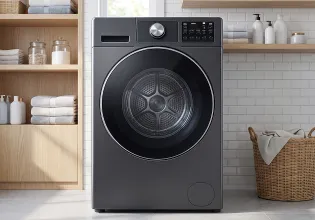
A dryer that takes two full cycles to dry a single load is easy to ignore until the utility bill arrives. In many of Sharon's older single-family homes, the dryer sits in a basement with a vent that runs a long horizontal path through a foundation wall before reaching outside air. That extra distance traps lint, restricts airflow, and forces the heating element to work harder than it should.
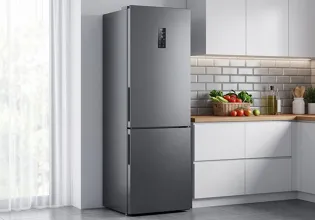
- Refrigerators that stop cooling often have a condenser coil caked with dust—especially in kitchens where the fridge sits tight against cabinetry with almost no clearance behind it.
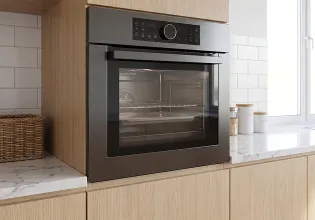
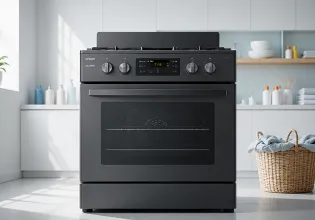
- Gas ranges and ovens that won't ignite or heat unevenly. Often the cause is a worn igniter, but in homes with older gas lines, a weak connection or a partially closed shutoff valve can also be the culprit. Worth checking before assuming the appliance itself has failed.
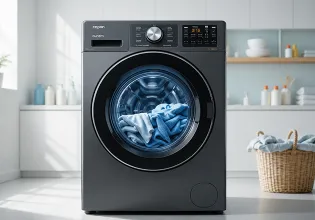
- Washers leaking from the bottom or refusing to drain. In basements with older floor drains, a slow drain line can back water up into the machine's pump, making it seem like the washer is the problem when the real issue is downstream.
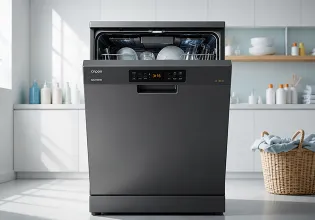
- Dishwashers leaving dishes dirty or standing water in the tub after a cycle—usually a clogged filter or a failing drain pump, though hard water buildup inside the spray arms can quietly reduce cleaning performance over months.
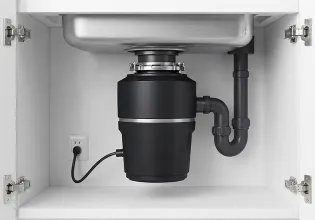
- Garbage disposals that hum but won't spin. A jammed flywheel is the most common fix, but we also see units that have been wired into a circuit that trips under load because the panel is already near capacity.
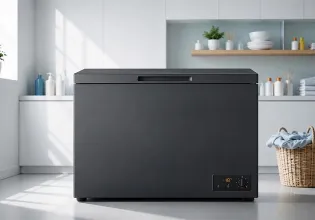
- Freezers building up heavy frost or warming above safe temperatures. Appliances containing refrigerants need careful diagnosis—a slow leak versus a failed defrost timer are very different repairs with very different costs.
Local Utility, Permit, Safety, and Disposal Factors in Sharon
Sharon's town government touches appliance work in ways that homeowners don't always expect. If a repair turns into a replacement—or if installation requires new gas, electrical, or plumbing connections—the town's Building Department has to be part of the conversation. Replacing a gas range, for instance, requires a gas permit from the Sharon Building Department. The installer has to pull that permit before the work starts, and a licensed inspector follows up. Skip that step and you risk a code violation that could surface during a future home sale. The same applies to electrical permits when a new dryer circuit or range outlet needs to be added, and to plumbing permits for dishwasher or washing machine hookups. Under the Massachusetts State Plumbing and Gas Code, all gas fitting and plumbing connections must be performed by a licensed professional. Ask the technician to confirm they hold the right license before work begins.
Fire safety is another area where Sharon has its own enforcement layer. The Sharon Fire Department enforces fire prevention rules that apply directly to gas appliances and dryers in residential settings. Dryer vent fires are one of the most common residential fire causes nationally, and the department advises regular vent cleaning. If your dryer vent runs through a long basement chase or makes multiple turns before exiting, lint builds up faster than you might think. One blocked bend is enough to create a hazard.
Massachusetts law under the Massachusetts State Fire Code also requires carbon monoxide detectors in every dwelling that has a fossil-fuel-burning appliance. That includes gas ranges, gas dryers, and gas ovens. If you're replacing a gas appliance or having one repaired, take a moment to confirm your CO detectors are current and properly placed. The Sharon Fire Department oversees local compliance with that requirement.
Water-connected appliances—dishwashers, washing machines, refrigerators with ice makers, garbage disposals—all run on Sharon's municipal water and sewer system. The Sharon Water and Sewer Department supplies water throughout the town, and pressure or quality variations from the municipal system can affect how well these appliances perform over time. A dishwasher that leaves mineral spots or a washing machine fill valve that wears out prematurely may be reacting to local water conditions rather than a mechanical defect. If you notice changes in water pressure or quality, contacting the Water and Sewer Department at (781) 784-1521 before scheduling a repair can save a wasted service call.
When an appliance can't be saved, getting rid of it in Sharon isn't as simple as dragging it to the curb. Residents must schedule bulky item pickups through the DPW for large appliances like refrigerators, washers, and dryers. Refrigerators and freezers that contain refrigerants require special handling under state and federal rules before the town will collect them. You can find scheduling details through the Sharon Department of Public Works bulky item disposal page. Plan ahead—pickup availability isn't unlimited, and a dead fridge sitting in the garage for weeks is nobody's idea of a good time.
What Makes Appliance Repair in Sharon Different
Sharon is a small town with a housing stock that leans heavily toward single-family homes, many of them built decades ago. That means basements with low ceilings where a washer or dryer barely fits under the joists, kitchens with gas lines that haven't been touched since the house was built, and electrical panels that were sized for a different era. When a technician shows up to replace a 240-volt dryer outlet in one of these homes, there may not be room on the existing panel for a new breaker—and that triggers an electrical permit through the Building Department before anyone can flip a switch.
The town's scheduled bulky-item pickup system also sets Sharon apart from neighboring communities that may offer drop-off transfer stations or more flexible curbside collection. In Sharon, you have to coordinate with the DPW in advance, and refrigerant-containing appliances add an extra step. That reality makes repair a more practical first choice here than in towns where hauling an old fridge away is easier. When the cost of a repair is close to the cost of replacement, factoring in the disposal logistics often tips the decision.
Appliance Replacement and Household Equipment Considerations in Sharon
When a repair no longer makes sense—the compressor is gone, the drum bearings are shot, the control board costs more than a new unit—the next steps in Sharon involve more than just picking out a new model. Before a new gas range or gas dryer gets connected, the installer needs a gas permit from the Sharon Building Department at 90 South Main Street. If the replacement also requires a new electrical circuit, that's a separate electrical permit. Ask the installer whether they'll handle the permit or if you need to coordinate it yourself.
Plumbing permits come into play when you're swapping out a dishwasher, adding a garbage disposal, or relocating a washing machine hookup. Under Massachusetts code, that plumbing work has to be done by a licensed plumber. Don't assume the appliance delivery crew handles that part—most don't.
Once the old appliance is disconnected, you'll need to arrange disposal through the town. Contact the Sharon DPW to schedule a bulky item pickup, and keep in mind that refrigerators and freezers can't just be set out—they need refrigerant recovery first.
Sharon Department of Public Works
100 Pond Street
Sharon, MA 02067
Phone: (781) 784-1521
Official Website
Sharon residents also have protections under Massachusetts Consumer Protection Law Chapter 93A, which prohibits unfair or deceptive practices by service providers. If a repair company misrepresents the work needed or charges for parts that weren't installed, you have the right to file a complaint with the Attorney General's office. Keep your receipts and written estimates.
Areas We Serve Throughout Sharon
We provide appliance repair service to homes throughout the Town of Sharon. While Sharon doesn't break down into formally named neighborhoods the way a larger city might, the housing varies across town and so do the appliance challenges we encounter:
- Homes near Sharon Center — Many of these are among the oldest in town, with compact kitchens where a full-size range barely clears the counter edge. Gas line shutoff valves in these houses can be stiff and corroded, so we always locate and test them before starting a gas appliance repair.
- Properties along the lake areas — Seasonal humidity near the water tends to accelerate rust on exposed dryer drums and refrigerator coils. We often see condenser fans working overtime in these homes during summer months.
- Newer construction areas — Tighter building envelopes and modern ductwork usually mean shorter dryer vent runs, but the trade-off is that kitchens are sometimes designed with built-in appliance panels that make access for repair more involved. Pulling out a dishwasher that's been custom-paneled takes extra care.
- Homes with basement laundry setups — This is common across Sharon. The challenge is usually the dryer vent length—runs of 20 feet or more through the basement before reaching an exterior wall. Lint accumulates faster, and the vent needs cleaning more often than a first-floor setup.
- Homes on larger wooded lots — Exterior dryer vent terminations in these areas tend to attract nesting from birds or small animals, which can block airflow completely. Worth checking the outside vent cap if the dryer suddenly stops heating well.
- Split-level and raised-ranch homes — Sharon has a good number of these from the mid-century building era. Appliance access can be tricky when the kitchen sits on a half-level with narrow stairs leading down to the garage or utility area. Getting a new refrigerator through the entry sometimes requires removing doors from their hinges.
- Homes near the town border areas — These properties are still fully within Sharon's municipal water and sewer system, so the same water quality and pressure factors apply. Some homeowners near the edges of town assume they're on well water, but Sharon's municipal system covers residential properties throughout.
- Condos and townhouse-style units — Sharon's mixed housing stock includes some attached units where shared walls and stacked layouts mean appliance noise travels. A washer with worn bearings in a townhouse is more than an inconvenience—it's a neighbor issue. These units also sometimes have shared utility access points that require coordination before a technician can shut off water or gas.